Culture


Odissi

July 10, 2011


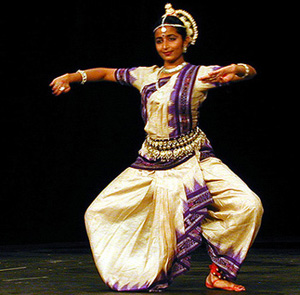
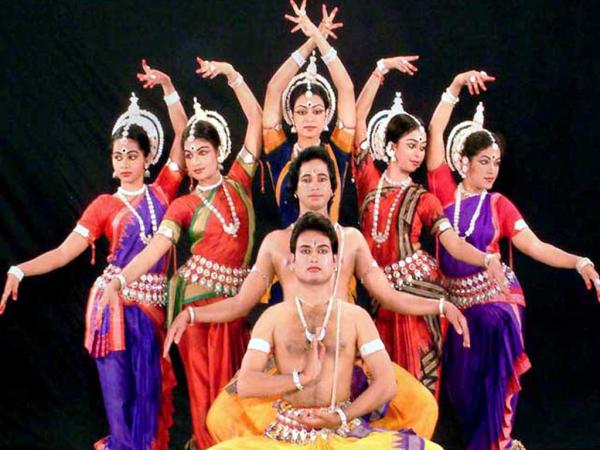
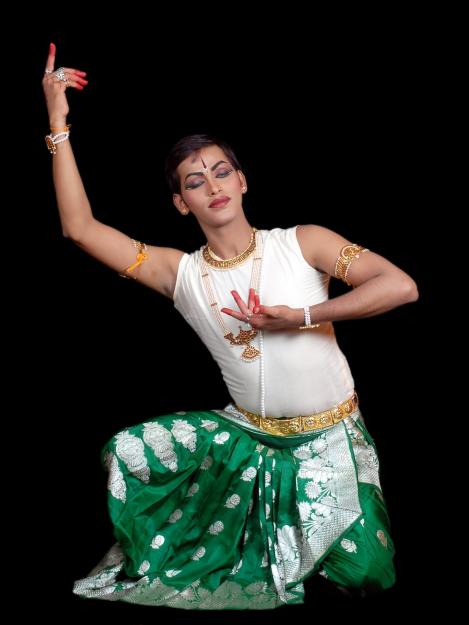
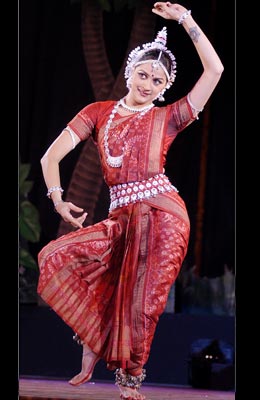
Odissi is one of the eight classical dance forms of India. It originates from the state of Odisha, in eastern India. It is the oldest surviving dance form of India on the basis of archaeological evidences.The classic treatise of Indian dance, Natya Shastra, refers to it as Odra-Magadhi. 1st century BCE bas-reliefs in the hills of Udaygiri (near Bhubaneshwar) testify to its antiquity. It was suppressed under the British but has been reconstructed since India gained independence.

It is particularly distinguished from other classical Indian dance forms by the importance it places upon the tribhangi (literally: three parts break), the independent movement of head, chest and pelvis, and upon the basic square stance known as chauka.


Kuchipudi

July 10, 2011


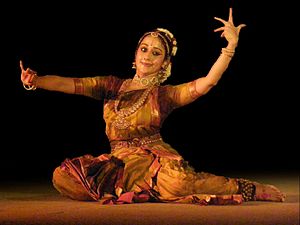
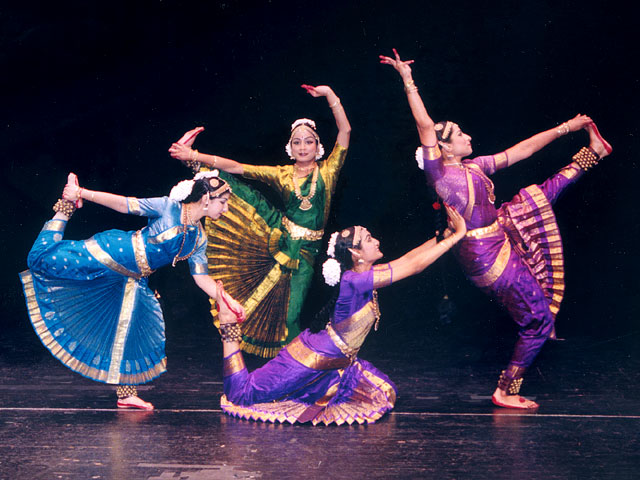
Kuchipudi (pronounced as 'Koochipoodi') is a Clasical Indian Dance form from Andhra Pradesh, India. It is also popular all over South India.Kuchipudi is the name of a village in the Divi Taluka of Krishna district that borders the Bay of Bengal and with resident Brahmins practicing this traditional dance form, it acquired the present name.

The performance usually begins with some stage rites, after which each of the character comes on to the stage and introduces him/herself with a daru (a ...


Continue reading...
 

Yakshagana

July 10, 2011


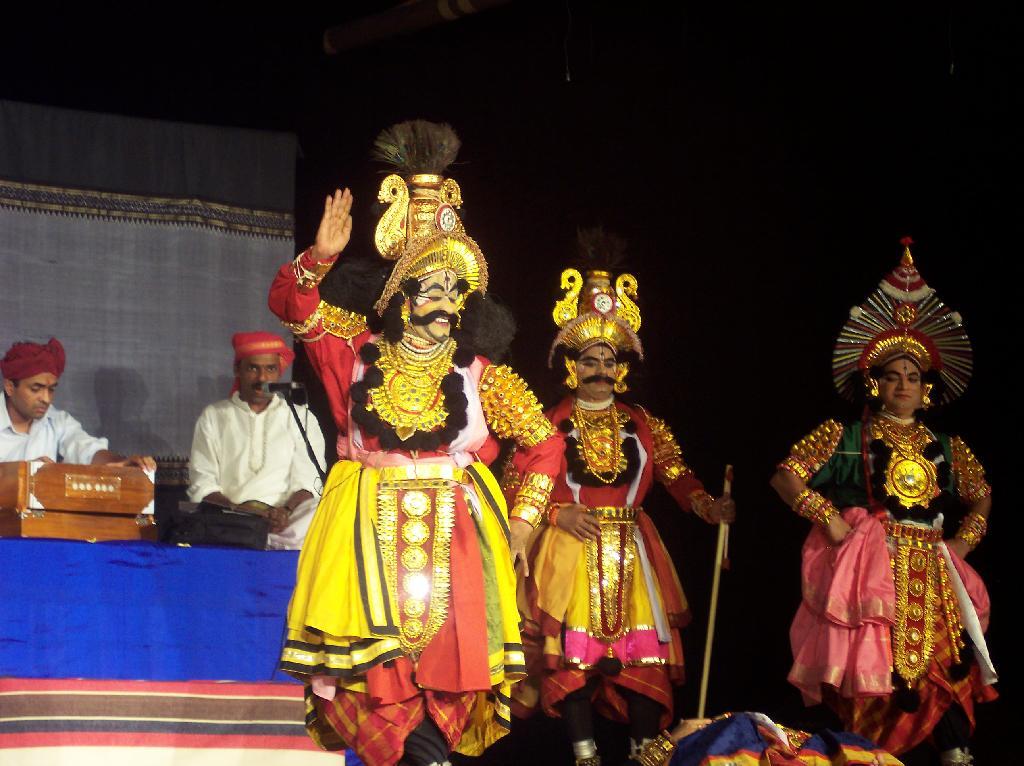
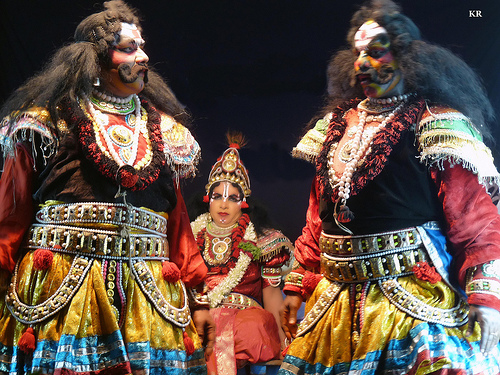
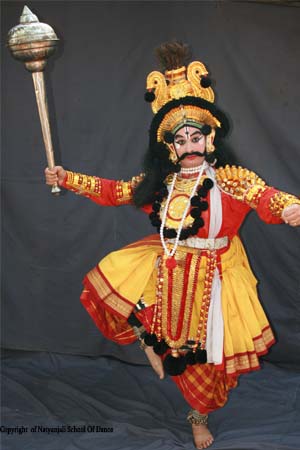
Yakshagana is a musical theater popular in coastal and Malenadu regions of Karnataka, India. Yakshagana is the recent (200 years) scholastic name for what are known in Kannada as Kelike, Dashavatara, Aata, Bayalaata. It is believed to have evolved from pre-classical music and theatre during Bhakti movement. Yakshagana is popular in the districts of Uttara Karnataka, Udupi, Dhakshina Kannada,and Shimoga of Karnataka and Kasaragod district of Kerala. Yakshagana is gaining popularity in Benga...
Continue reading...
 

Kathakali

July 10, 2011


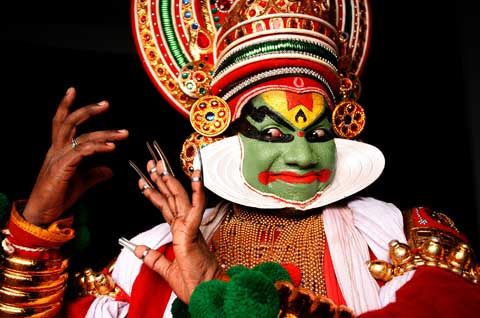
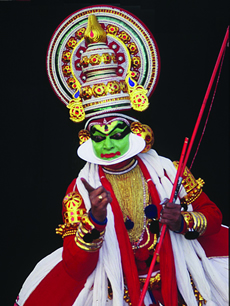
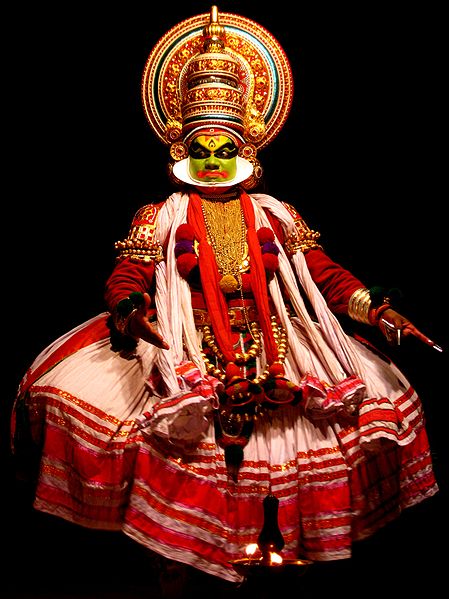
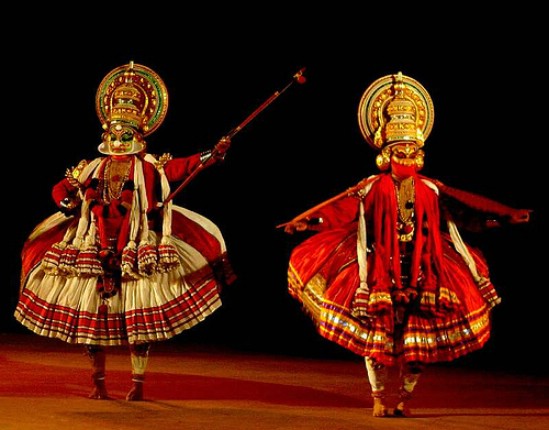
Kathakali  is a highly stylized classical Indian dance-drama noted for the attractive make-up of characters, elaborate costumes, detailed gestures and well-defined body movements presented in tune with the anchor playback music and complementary percussion. It originated in the country's present day state of Kerala during the 17th century and has developed over the years with improved looks, refined gestures and added themes besides more ornate singing and precise drumming.
Kathakali origi...

Continue reading...
 

Bharata Natyam

July 10, 2011


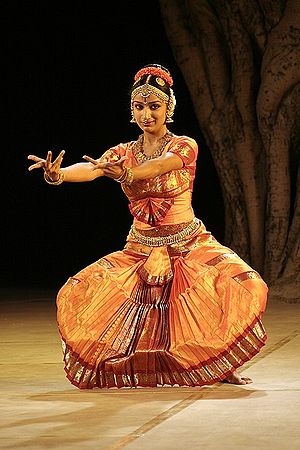
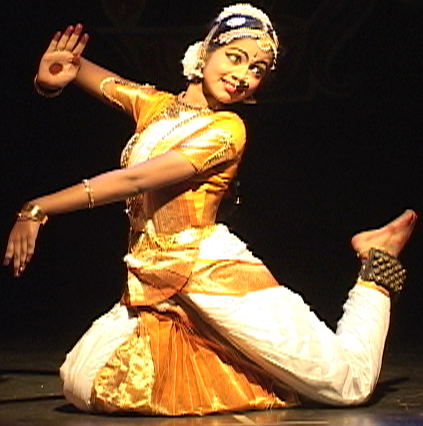
Bharata Natyam or Bharatanatyam is a classical dance form originating in South India, nowadays practiced by predominantly young females and women. It is held as the national dance of India. The dance is accompanied by the classical Carnatic music. It has its inspirations from the sculptures of the ancient tempels od Chidambaram.
Bharata Natyam comes from the words Bhava (Expression), Raga (Music), Tala (Rhythm) and Natya (Classic Indian Musical Theatre). Today, it is one of the most popula...
Continue reading...
 

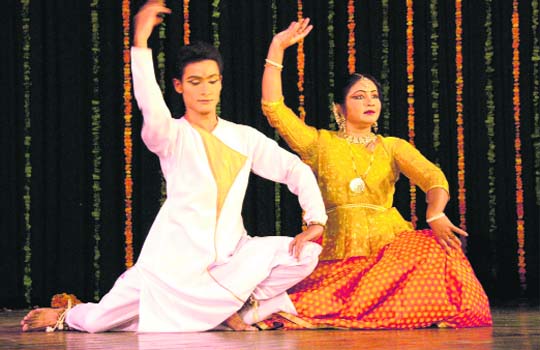
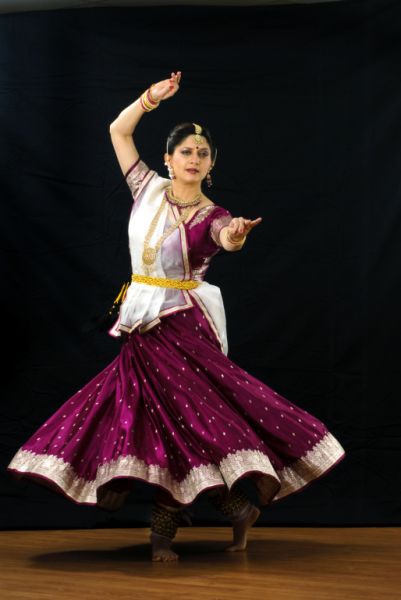
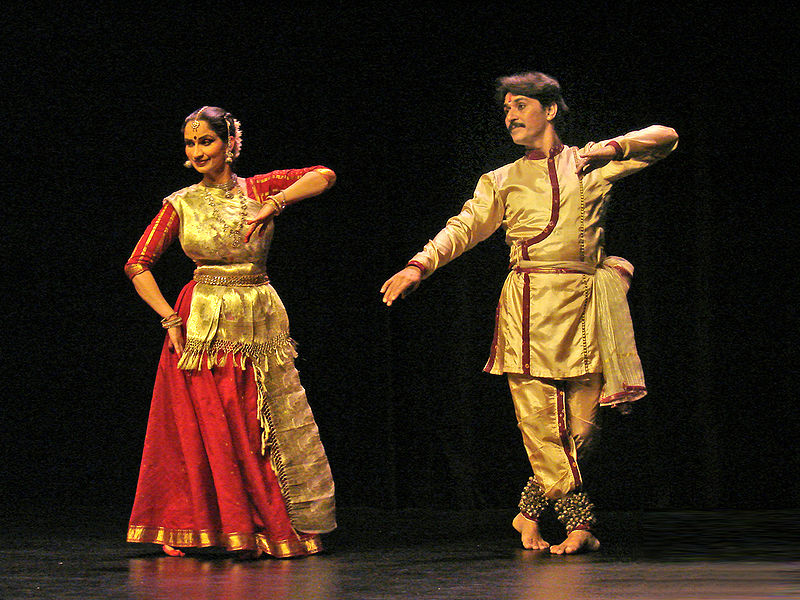
Kathak

July 10, 2011


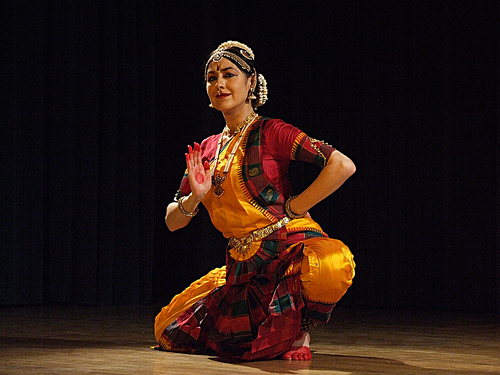
Kathak is one of the eight forms of Indian classical dances, originated from North India. This dance form traces its origins to the nomadic bards of ancient northern India, known as Kathaks, or storytellers. These bards, performing in village squares and temple courtyards, mostly specialized in recounting mythological and moral tales from the scriptures, and embellished their recitals with hand gestures and facial expressions. It was quintessential theatre, using instrumental and vocal mus...
Continue reading...
 

Recent Posts